Tiếng Việt
 中文 (中国)

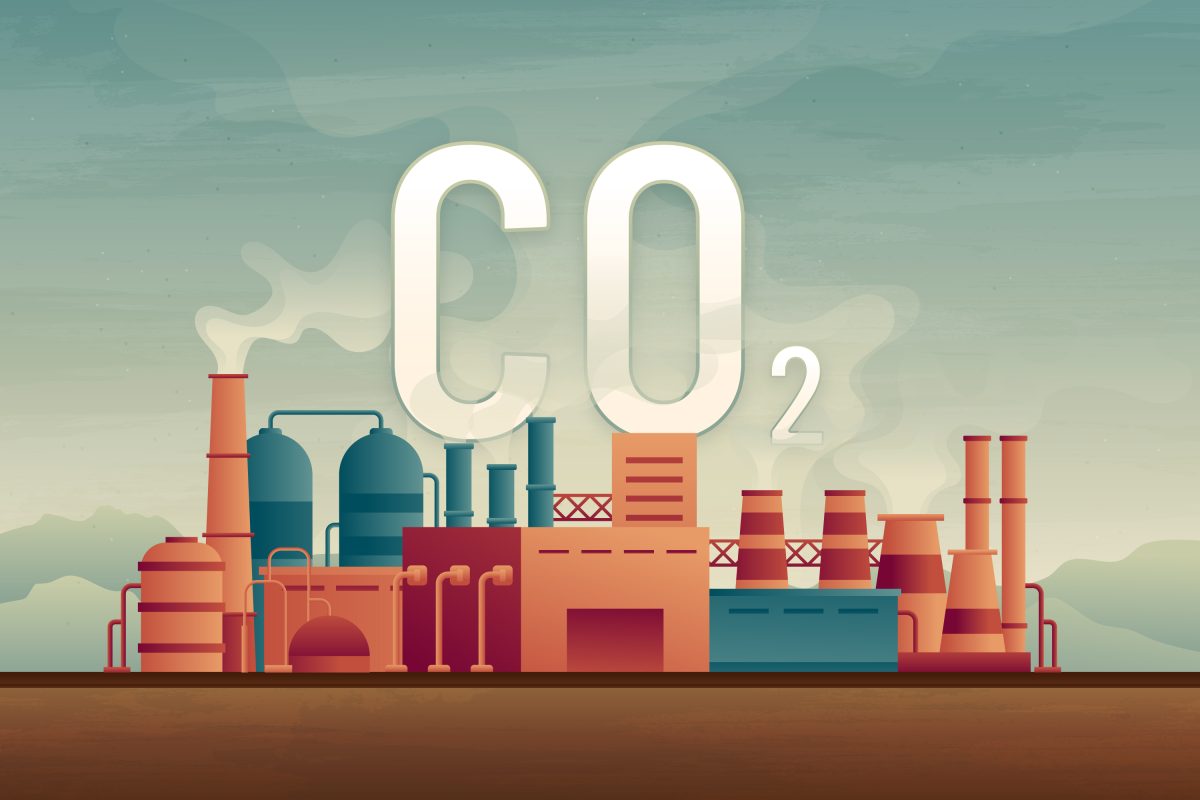
| Greenhouse gases (GHGs) are gaseous constituents of the atmosphere, including carbon dioxide (CO2), methane (CH4), nitrous oxide (N2O), hydrofluorocarbons (HFCs), perfluorocarbons (PFCs) and sulphur hexafluoride (SF6). The unit used to measure greenhouse gases is carbon dioxide equivalent, abbreviated as CO2e. From 2024 onwards, businesses will carry out facility-level greenhouse gas inventories and prepare a facility-level greenhouse gas inventory report every 2 years, submitting it to the provincial People’s Committee before 31 March (from 2025). The provincial People’s Committee receives, reviews and consolidates the reports and sends them to the Ministry of Agriculture and Environment and the ministries managing the relevant sectors before 30 June (from 2025). In particular, for thermal power plants and iron and steel and cement production facilities, which prepare reports from the 2026 reporting period, and facilities allocated emission quotas for the period from 2027, which prepare reports from the 2028 reporting period, the report must be appraised by an appraisal unit before being sent to the Ministry of Agriculture and Environment. |

Businesses must be able to identify and manage the risks related to their GHG emissions to ensure long-term success in a competitive business environment and to comply properly with legal policies.
B. Legal regulations on greenhouse gas inventory for businesses (updated to 10/2026)
1. Law on Environmental Protection 2020 (Law No. 72/2020/QH14)
Since 1 January 2022, when the Law on Environmental Protection 2020 (Law No. 72/2020/QH14) took effect, businesses on the List of greenhouse gas emitting facilities have been required to carry out a greenhouse gas inventory. This Law has been amended and supplemented by Law No. 146/2025/QH15 (effective from 1 January 2026).
2. Decree No. 06/2022/ND-CP (as amended and supplemented by Decree No. 119/2025/ND-CP)
This is the document providing detailed guidance on the inventory and mitigation of greenhouse gas emissions, and it is the main legal basis for the inventory and the allocation of emission quotas. Under Article 6, a facility must carry out an inventory if it is on the List issued by the Prime Minister (proposed by the Ministry of Agriculture and Environment and updated once every 02 years) and has annual emissions of 3,000 tonnes of CO2 equivalent or more, or falls into one of the following cases:
- Thermal power plants and industrial production facilities with total annual energy consumption of 1,000 tonnes of oil equivalent (TOE) or more;
- Freight transport companies with total annual fuel consumption of 1,000 TOE or more;
- Commercial buildings with total annual energy consumption of 1,000 TOE or more;
- Solid waste treatment facilities with annual operating capacity of 65,000 tonnes or more.
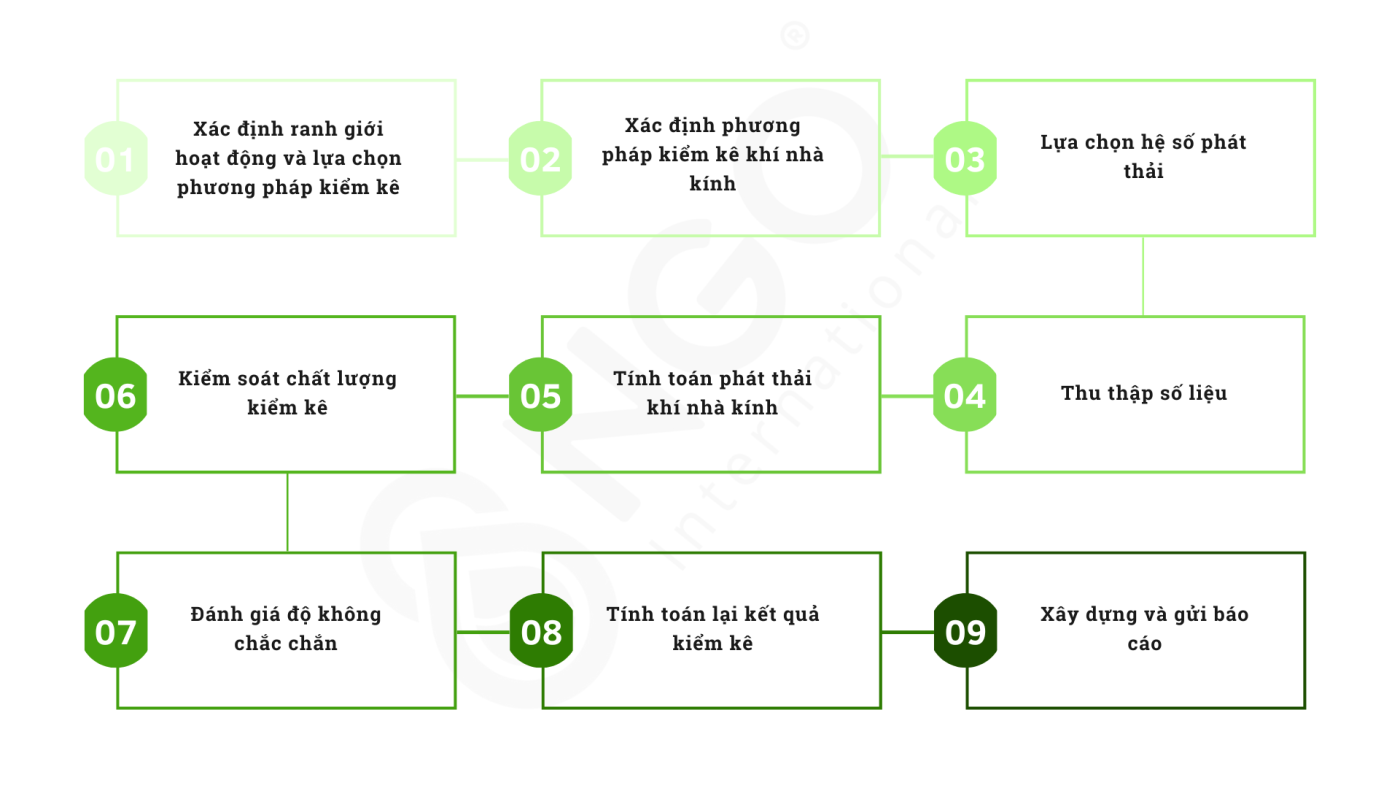
Facility-level inventory reports are prepared once every 02 years (from the 2024 reporting period) and sent to the provincial People’s Committee before 31 March (from 2025). Thermal power plants and iron and steel and cement production facilities prepare reports from the 2026 reporting period; facilities allocated emission quotas for the period from 2027 prepare reports from the 2028 reporting period. Reports in this group must be appraised by an appraisal unit before being sent to the Ministry of Agriculture and Environment (before 1 December from 2027).
3. Under Circular No. 96/2020/TT-BTC
Section 2, Article 10 of Circular No. 96/2020/TT-BTC guiding information disclosure on the securities market, effective from 1 February 2021, covers reporting on greenhouse gas emissions in the Annual Report of public companies. The financial information in the annual report must be consistent with the audited annual financial statements”.
In addition, Section 6, Part II of Appendix IV sets out further reporting requirements, including:
- Total direct and indirect greenhouse gas (GHG) emissions
- Measures and initiatives to reduce greenhouse gas emissions.
C. Services provided by NGO
Climate change is having, and will increasingly have, a major impact on the business operations of all companies in every country in the world. Business owners, investors and financial institutions need to consider ESG (Environmental – Social – Governance) values and sustainability in their investment decisions.

Businesses with large GHG emissions and an obligation to reduce them will have 02 options: (1) invest in their own solutions to reduce GHG emissions at their facilities; and/or (2) trade on the ETS and the carbon market.
As a provider of environmental solutions, including solutions for COMBATING CLIMATE CHANGE, NGO offers the following services:
- Measurement and inventory of greenhouse gas (GHG) emissions at businesses
- Consulting on and developing GHG emission reduction solutions for production and business operations
- Advising and supporting businesses in complying with legal requirements on GHG inventory and emission reduction
We are committed to working alongside businesses to turn Risks and environmental and GHG issues into a Competitive Advantage in today’s business environment.
Businesses interested in our greenhouse gas inventory and emission reduction service are welcome to contact NGO by phone at +84 24 7300 0890 or by email: office@8ngo.com for direct consultation

Talk to an NGO engineer
Free survey and consultation. Send us your sector, facility scale, whether your facility is on the List of greenhouse gas emitting facilities and your latest inventory report if you have one; an NGO engineer will propose a plan for inventory, emission reduction and regulatory compliance.
Offices in Hanoi and Ho Chi Minh City · +84 24 7300 0890 · office@8ngo.com
This website is copyrighted by NGO International Co., Ltd. Any use or reproduction of part or all of its content in any form is strictly prohibited without our express written permission.